Brand Study 04
The Democracy
of Style
Brand
H&M
Industry
Fashion Retail
Focus
Accessible Luxury, Campaign Identity, Visual Duality
Year
2025
Why This Brand
Fashion is not about clothes. It's about the person who puts them on and becomes someone new.
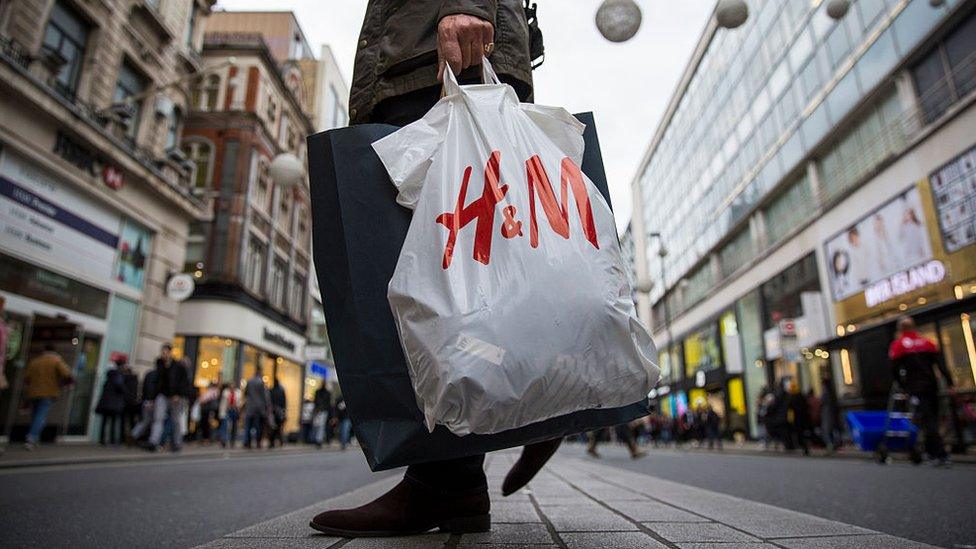
H&M occupies one of the most philosophically interesting positions in fashion: they make the runway accessible without making it cheap. A ₹1,499 linen shirt should not feel like a compromise. It should feel like a conscious choice—style as a democratic right, not a privilege.
We were drawn to the tension in their identity—how do you speak to a 19-year-old in Pune and a 35-year-old in Chandigarh in the same visual language, without defaulting to the lowest common denominator of "trendy"?
What We Observed
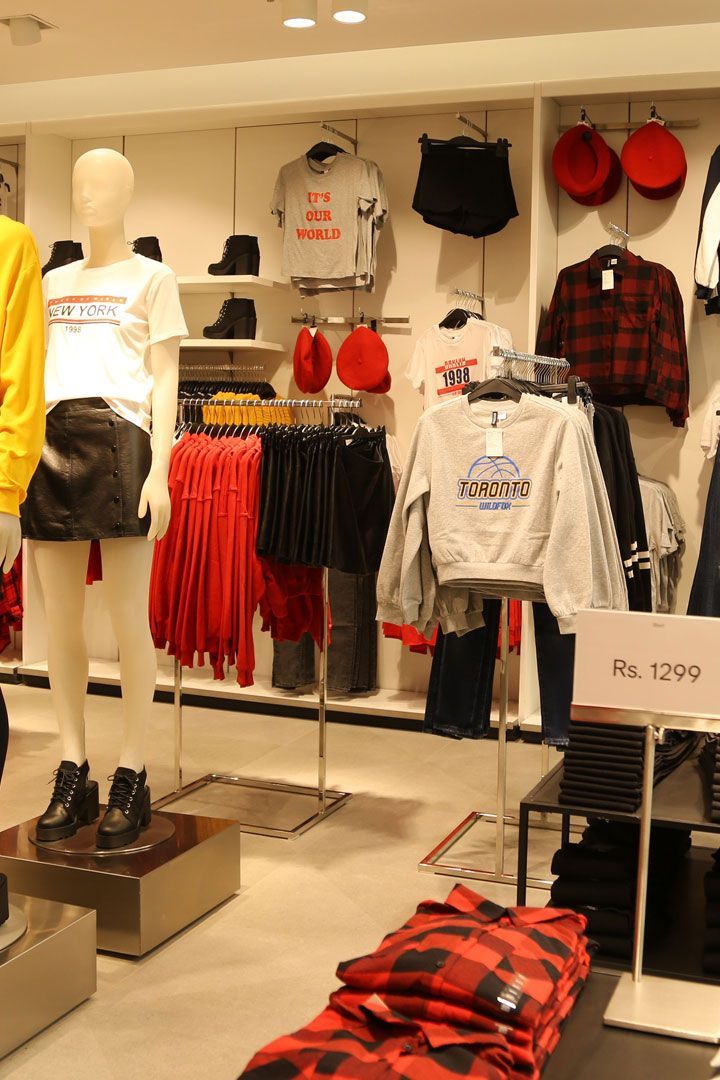
H&M's genius is in the tension between compression and expansion.
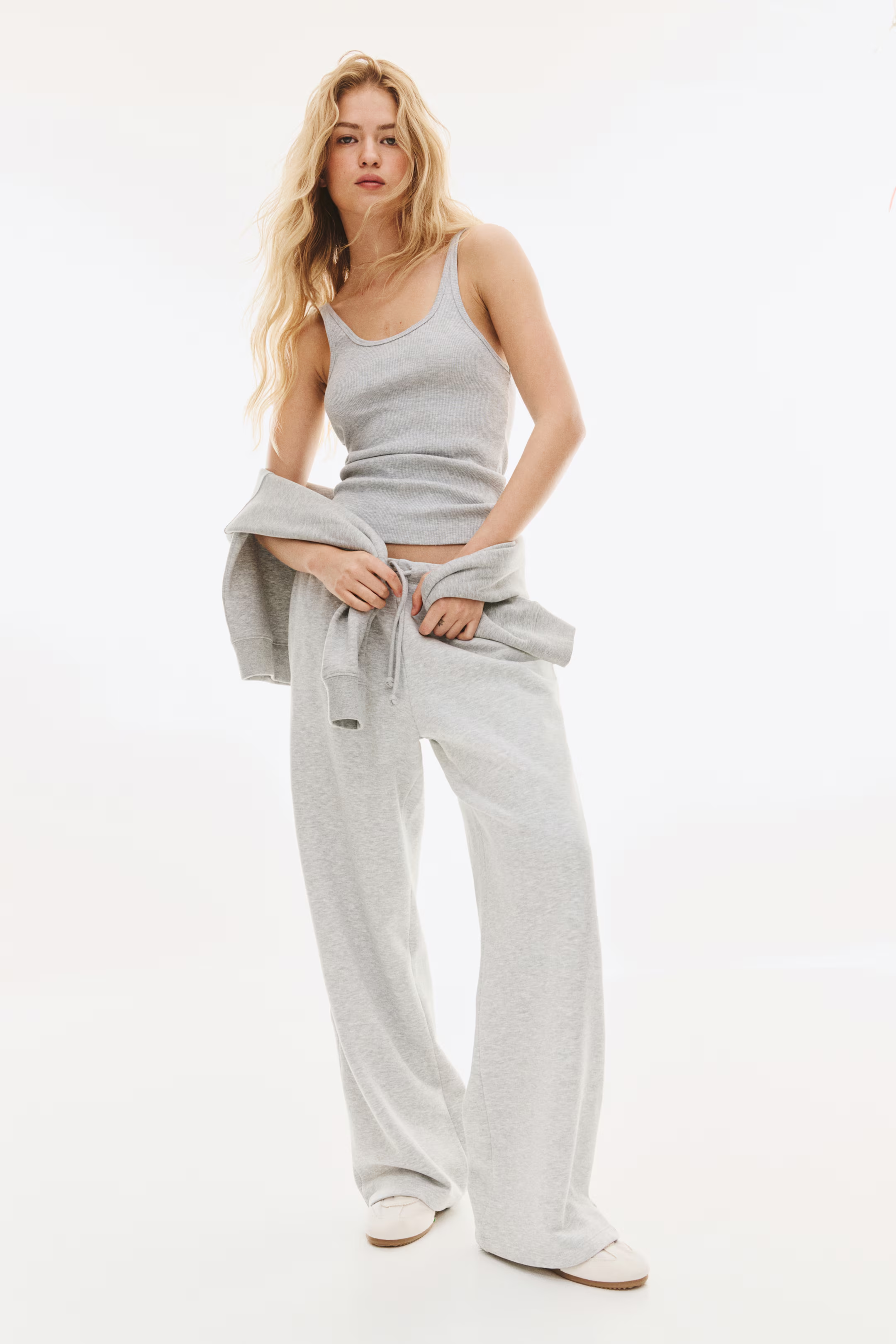
Their typographic system uses a compressed grotesque for headlines that feels urban and urgent, paired with an extended serif for subheads that brings editorial warmth. This interplay mirrors the brand's own duality—mass market reach with individual intimacy.
What fascinates us about their campaign photography is the move away from studio perfection. Location-based shoots—rooftops, chai stalls, metro stations. Real light. Real textures. The clothes exist in the city, not above it. This creates aspiration through relatability, not distance.
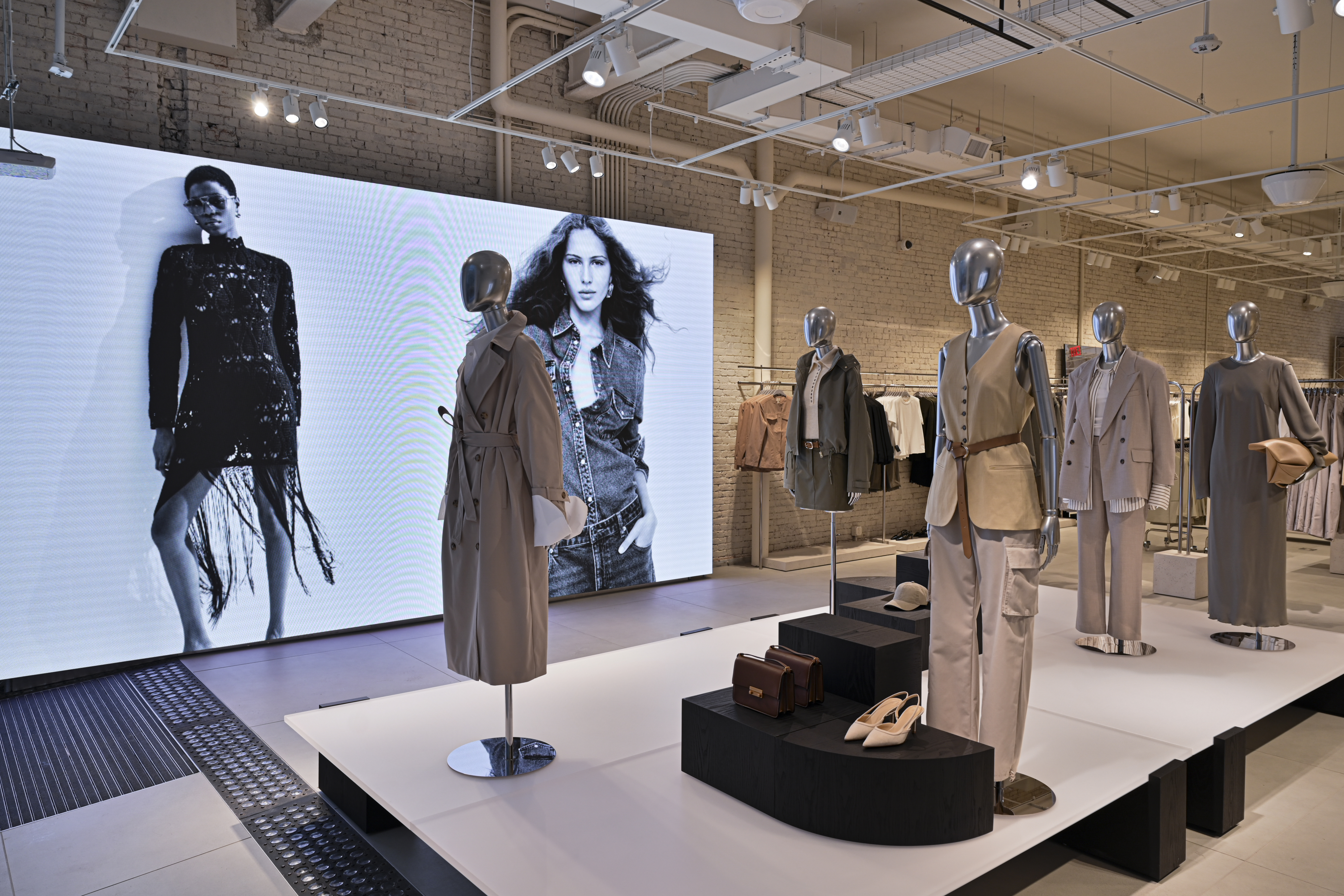
Their collaboration model is equally instructive. When H&M partners with Balmain or Mugler, the visual identity shapeshifts to absorb the collaborator's DNA while retaining its own skeleton. That elasticity is rare and hard-won.
Key Takeaways
What H&M teaches about making accessible things feel desirable.
Aspiration through proximity. H&M shoots in real cities, not fantasy landscapes. Desire is created by showing style in contexts the audience already inhabits.
Typographic tension creates energy. The compression-expansion interplay in their type system generates visual urgency without needing to add complexity.
Collaboration is a design strategy. By borrowing the visual DNA of luxury partners, H&M temporarily elevates its perceived position without permanently changing its identity.
"H&M proved that you don't need to be expensive to be aspirational. You just need to understand that style is a feeling, not a price tag."
— Our observation